


Regular movement directly affects how the heart, blood vessels, muscles, and metabolism work together. This is the thinking behind exercise as medicine: using purposeful physical activity as part of a thoughtful approach to protecting health, improving physical capacity, and staying active through different stages of life. A well-designed cardiovascular exercise program can support circulation, blood pressure, blood sugar control, body composition, strength, and endurance. For people interested in cardiovascular fitness in Somerset, NJ, the most useful starting point depends on current health, mobility, previous injuries, fitness level, and personal goals.
Why Exercise Is Considered Medicine for Cardiovascular Health
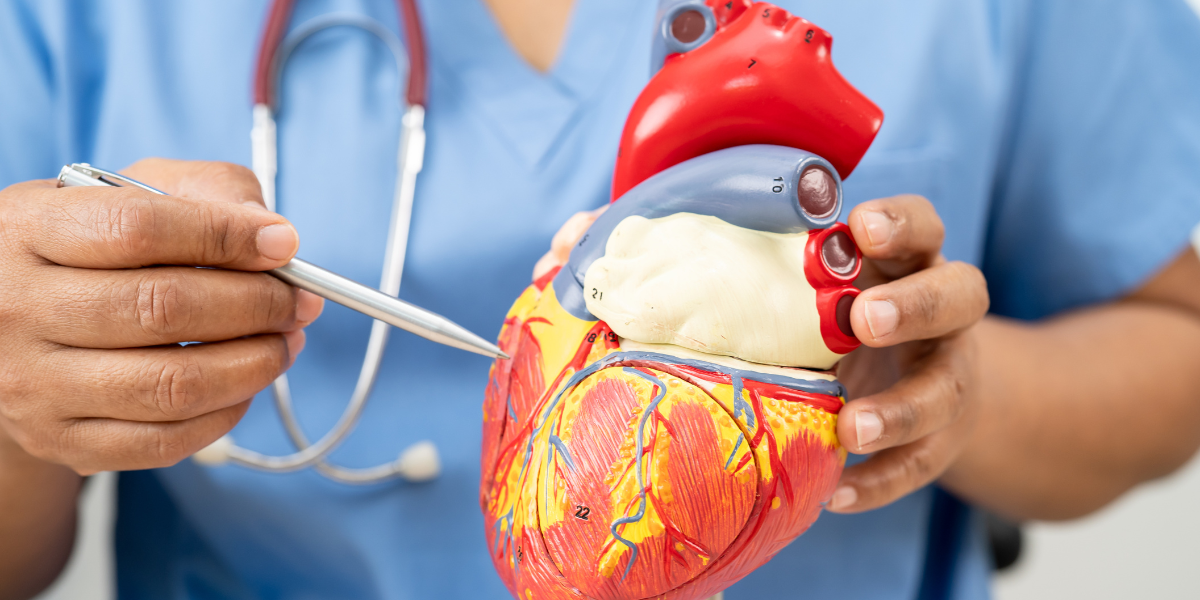
Exercise affects multiple systems, so its benefits extend beyond fitness. When the body is challenged regularly and appropriately, the heart, blood vessels, skeletal muscles, and metabolic system respond.
Exercise Creates Body-Wide Adaptations
Aerobic exercise helps the body to use oxygen efficiently, and resistance training builds muscle strength to better meet everyday demands. Exercise as medicine can provide, over time, support for endurance, muscle maintenance, use of glucose, mobility, and maintaining physical independence. These adaptations also help make daily activities easier. As conditioning improves, walking more, going up and down stairs, carrying groceries, or keeping up with work and family activities are less physically demanding.
Exercise Targets Several Cardiovascular Risk Factors
Regular activity can influence blood pressure, triglycerides, glucose control, insulin sensitivity, body composition, and cardiorespiratory endurance. People working toward better cardiovascular fitness in Somerset, NJ may benefit from addressing several of these factors together rather than treating fitness as an isolated goal. For those with established risk factors or existing concerns, NMR’s cardiovascular disease care can provide a broader health perspective alongside appropriate physical activity.
How Targeted Exercise Supports Heart Health
Structured physical training can support cardiovascular health by improving several areas that influence how efficiently the heart and circulatory system work.
Regular training helps the heart and lungs work more efficiently during daily activity and exercise.
Consistent physical activity can support healthier circulation and better blood pressure control.
Targeted movement helps improve blood flow and supports oxygen delivery throughout the body.
Exercise supports calorie use, muscle development, and healthier long-term weight management.
Physical training can support healthier blood sugar regulation and overall metabolic function.
A consistent exercise routine can strengthen overall fitness and support long-term cardiovascular health.
Key Takeaway:
Exercise works best when it is consistent, progressive, and matched to an individual’s current fitness level and health needs.
How Regular Physical Training Protects the Heart
The cardiovascular system is very sensitive to repeated exercise. With regular training, the heart and blood vessels slowly grow accustomed to the efforts and can help with circulation, metabolism, and physical ability.
Better Blood Flow and Vessel Function
Exercise increases the production and availability of nitric oxide, a molecule that makes the blood vessels relax and widen. This supports healthier circulation and allows blood to move more efficiently to the heart, muscles, and other tissues. Improved blood vessel function is one reason a progressive cardiovascular exercise program can play such a useful role in long-term cardiovascular health. Better circulation also supports the body’s ability to respond to changes in activity and physical demand.
Lower Blood Pressure and Inflammation
Regular aerobic activity can help lower resting blood pressure and improve arterial flexibility. When blood vessels respond more easily, the heart does not need to work as hard to move blood through the body. Higher levels of chronic systemic inflammation are also linked to less regular physical exercise. This matters because ongoing inflammation can change artery walls and contribute to the development of atherosclerotic plaque over time.
Better Cholesterol and Blood Sugar Regulation
Exercise will reduce triglycerides, promote better HDL levels, and enhance the utilization of glucose by muscles. It can also increase insulin sensitivity, helping the body manage blood sugar with less strain. Changes in LDL cholesterol may be smaller for some people, so exercise works best as part of a broader health plan that may also include nutrition, medical management, sleep, and other lifestyle factors.
A More Efficient Heart
Regular exercise can enhance the amount of blood pumped per beat and also aid working muscles to make better use of oxygen. This, over a period of time, can lead to improved endurance and a lower workload on the cardiovascular system when using familiar activities. A properly paced cardiovascular exercise program builds these benefits gradually. Maximum-intensity training is rarely necessary for someone to make meaningful progress. Regular movement can support blood vessel flexibility, healthier blood pressure, improved glucose regulation, better lipid management, lower inflammatory activity, and stronger cardiovascular capacity.
What Makes Targeted Exercise Different From Simply Working Out?

A generic workout may offer activity, but it does not automatically account for health history, pain, mobility, medications, or specific physical goals. Targeted exercise begins with the person rather than the workout.
Training Begins With the Individual
Age, current fitness, previous injuries, osteoporosis risk, joint limitations, cardiovascular history, and medications can all affect exercise selection. Physical training Somerset NJ is most useful when these factors guide the choice of movements, intensity, volume, and progression. Someone returning after a long period of inactivity may need a different plan from an active adult managing knee pain or a woman concerned about osteoporosis during menopause.
Exercise Dose Matters
Frequency, intensity, duration, and type all influence how the body responds. Exercise therapy Somerset NJ can adjust these variables to focus on cardiovascular endurance, strength, balance, mobility, recovery, or a combination of goals. A plan that asks too little may not create enough stimulus for progress. A plan that asks too much can lead to poor recovery, increased pain, or difficulty staying consistent.
Progression Should Be Deliberate
Physical capacity develops gradually. Adding too much distance, speed, resistance, or training time at once can increase discomfort and make an otherwise useful routine difficult to sustain. For people managing pain or movement restrictions, therapeutic exercise NJ can provide a controlled way to build strength and tolerance before progressing into broader fitness activities.
Building a Heart-Healthy Exercise Plan
The simple, practical heart-health plan isn’t reliant on complex equipment or advanced training methods. The focus is on identifying activities that can be done consistently, with careful progression, and at a level of physical ability that is attainable.
Start With Repeatable Aerobic Activity
Walking, cycling, swimming, and elliptical exercise can all improve cardiovascular endurance. People working on cardiovascular fitness in Somerset, NJ often benefit from beginning with activity they can repeat comfortably several times each week. Consistency creates a stronger foundation than occasional demanding workouts. Once tolerance improves, duration or intensity can be increased gradually.
Match Intensity to Capacity
Light, moderate, and vigorous activity place different demands on the body. Physical training Somerset NJ should take symptoms, medications, health history, current conditioning, and recovery into account when setting intensity. For some people, a conversational walking pace may be an appropriate starting point. Others may be ready for longer sessions or carefully structured intervals.
Why Strength Training Belongs in a Heart-Healthy Plan

Cardiovascular health and muscle health go hand-in-hand. While aerobic exercise is crucial, strength training plays a complementary role in maintaining metabolic function, everyday activities, and physical resilience.
Muscle Supports Metabolic Health
Glucose is the primary way that the body uses, and skeletal muscle is a key player. Resistance training can help to maintain or increase lean mass and body composition, which may help with insulin sensitivity, particularly when combined with proper nutrition counseling. For people interested in exercise therapy in Somerset, NJ, strength work can also improve the physical capacity needed to stay active consistently.
Strength Supports Healthy Function
Muscle strength tends to decline with age and inactivity. Therapeutic exercise in Somerset can help rebuild the ability to lift, carry, climb stairs, rise from a chair, and perform other daily tasks with greater confidence. Maintaining strength can also make cardiovascular activity easier because the muscles are better prepared to handle repeated movement.
Exercise During Perimenopause and Menopause
Midlife can bring changes in body composition, bone density, sleep, energy, and cardiovascular risk. Exercise can help address several of these areas when the program reflects the individual’s health and life stage.
Combine Cardio and Resistance Training
Both aerobic exercise and resistance training help to maintain strength and muscle. Both aerobic exercise and resistance training maintain muscle and strength. They work well together to facilitate health during perimenopause and menopause in Somerset, NJ, and beyond. This combination also provides a practical way to address changes in body composition without making weight the only measure of progress.
Protect Bone and Muscle
Weight-bearing activity and progressive resistance training place useful mechanical stress on bone. Women with osteoporosis may need more specific exercise selection and loading strategies to reduce unnecessary risk. NMR’s ONERO® program offers a focused approach for appropriate individuals concerned about osteoporosis, bone strength, and physical function.
Exercise, Weight Management, Metabolism, and Body Composition
Exercise can influence weight, but its metabolic value extends well beyond the number on the scale. Muscle preservation, glucose control, cardiovascular capacity, and functional strength all matter when considering long-term health.
Look Beyond Calories Burned
A thoughtful exercise therapy plan in Somerset, NJ can focus on maintaining lean muscle, improving stamina, and supporting metabolic health while weight concerns are addressed through a wider strategy. When appropriate, exercise can complement NMR’s medical weight loss services, nutrition planning, and other individualized approaches.
Support the Whole Lifestyle
Training works best when sleep, recovery, nutrition, stress, and daily movement are considered alongside scheduled exercise. These areas can influence energy, consistency, appetite, and the body’s ability to adapt. NMR’s functional medicine services may be relevant when exercise goals overlap with autoimmune concerns, digestive issues, inflammation, metabolic changes, or other complex health needs.
Cardiovascular Training for Middle-Aged Men
Middle age often brings changes in strength, activity level, body composition, sleep, and recovery. Regular training can help rebuild capacity without relying on extreme workouts or short-term fitness challenges.
Train Strength and Conditioning Together
Cardiovascular exercise improves endurance, while resistance work supports muscle and everyday function. A balanced approach to physical training in Somerset, NJ gives both areas attention instead of treating cardio and strength as separate priorities. This combination can be especially useful for men who have noticed reduced stamina, increasing body fat, or declining strength over time.
Focus on Sustainable Function
The long-term goal is to preserve the ability to move, work, exercise, and participate in everyday life with confidence. NMR’s men’s health services can also address broader concerns that may accompany midlife changes. A consistent plan usually has greater value than short periods of very intense training followed by long gaps.
Using Therapeutic Exercise When Pain or Mobility Limits Activity

Pain or restricted movement can make standard fitness advice difficult to follow. In many cases, activity can be modified so a person can keep building capacity without ignoring the underlying limitation.
Modify Rather Than Abandon Movement
Back pain, neck pain, arthritis, joint problems, and previous injuries may require changes in range of motion, resistance, exercise position, or training volume. Therapeutic exercise NJ can provide a structured way to keep moving while respecting current limitations. The aim is often to find tolerable movement first, then expand physical capacity gradually.
Rebuild Movement Capacity
NMR’s physical and occupational therapy rehabilitation can address mobility, strength, balance, movement control, and functional limitations. For suitable patients, therapeutic exercise Somerset may form part of a broader rehabilitation plan designed to improve movement quality and confidence with daily activity.
Progress From Rehabilitation Toward Fitness
Someone searching for fitness rehabilitation near me may need a staged plan that begins with mobility and controlled strengthening before moving toward cardiovascular conditioning. NMR’s reconditioning services can help bridge the gap between early rehabilitation and a return to regular physical activity.
Exercise and Healthy Aging Beyond the Heart
Physical training supports several areas that become increasingly important with age. Mobility, balance, bone health, muscle strength, and independence all influence quality of life.
Maintain Mobility and Independence
Regular movement helps preserve walking capacity, coordination, balance, and confidence with daily activities. Healthy aging in Somerset, NJ should include functional goals that reflect how someone wants to live, move, and remain active. Improved cardiovascular endurance can also make everyday tasks feel less tiring, which may encourage people to stay physically engaged.
Support Bones, Joints, and Muscles
A varied program may include strength training, balance work, mobility exercises, and weight-bearing activity. Together, these approaches help the body tolerate a wider range of physical demands. When injury disrupts activity, sports injury rehabilitation may help identify movement limitations and guide a gradual return to activity.
How to Start an Exercise-as-Medicine Program Safely
Starting well matters as much as progressing well. The right amount of activity should feel challenging enough to create adaptation while still allowing the body to recover.
Begin With Current Capacity
Walking tolerance, balance, pain, strength, symptoms, and medical history all help shape the starting point. Exercise as medicine works best when the initial plan reflects what the body can currently handle. A person returning after years of inactivity may begin very differently from someone who already exercises regularly but needs a safer approach after injury.
Know When Guidance Matters
People with cardiovascular disease, unexplained exertional symptoms, significant osteoporosis, chronic conditions, or major mobility limitations may benefit from professional guidance before advancing exercise. Therapeutic exercise in NJ can help establish an appropriate starting point, while people searching for fitness rehabilitation near me may benefit from care built around clear functional goals and gradual progression.
NMR Focus: Integrating Exercise Into Personalized Care

At Natural Medicine & Rehabilitation in Somerset, exercise can be part of a larger plan that considers cardiovascular health, musculoskeletal concerns, metabolism, bone strength, and long-term physical function.
Start With the Whole Health Picture
Goals, mobility, health history, body composition, symptoms, and current fitness can all influence a training plan. Exercise as medicine works best when you consider these factors together rather than in isolation. For suitable patients, physical training in Somerset, NJ may combine cardiovascular work, resistance exercise, mobility training, and rehabilitation strategies according to individual needs.
Support Bone Health and Healthy Aging
Women concerned about menopause, osteoporosis, muscle loss, or declining physical capacity may benefit from targeted loading and progressive strengthening. NMR’s healthy aging services can provide a broader framework for healthy aging in Somerset, NJ, including attention to movement, metabolic health, strength, and long-term independence.
Connect Rehabilitation With Long-Term Activity
When pain, weakness, or reduced mobility limits exercise, therapeutic exercise in Somerset can help rebuild movement capacity before broader fitness goals are introduced. For someone searching for fitness rehabilitation near me, coordinating rehabilitation, nutrition, cardiovascular conditioning, and strength work around shared functional goals can create a clearer path back to regular activity.
Conclusion
Exercise can improve blood vessel function, blood pressure, insulin sensitivity, body composition, muscle function, and the heart’s ability to work efficiently. The best method is one that is unique to the individual and incorporates health characteristics, skills, and objectives. Combining aerobic conditioning, resistance training, mobility work, and appropriate recovery creates a practical foundation for long-term cardiovascular health. A sustainable cardiovascular exercise program doesn’t need to be complicated. The best way to make progress is to select the right exercise, practice it regularly, and modify the program as strength, endurance, and confidence grow. Take the next step toward better movement, strength, and long-term health with personalized care at NMR. Schedule your visit today and build a plan that supports your goals at every stage of life.
