
Are walking, yoga, and light weights enough to protect your bones as you age? If your bone density is low, it is worth asking whether these activities do enough. Bone mineral density (BMD) can fall faster after menopause as estrogen declines, increasing osteoporosis and fracture risk. The ONERO osteoporosis program uses supervised resistance and impact exercise to challenge bones. If you’re considering an osteoporosis exercise program in Somerset, NJ, here is how the options compare for results, safety, and suitability.
Quick Answer: Is ONERO® Better Than Traditional Exercise for Osteoporosis?
In appropriately screened postmenopausal women, supervised high-intensity resistance and impact training may improve spinal bone density and physical function better than low-intensity exercise. ONERO® follows this approach. Walking, swimming, and gentle exercise still support fitness, balance, and mobility.
Why Does Exercise Type Matter for Osteoporosis?
Different activities place different demands on bones. Menopause and mechanical loading help explain why exercise choice matters.
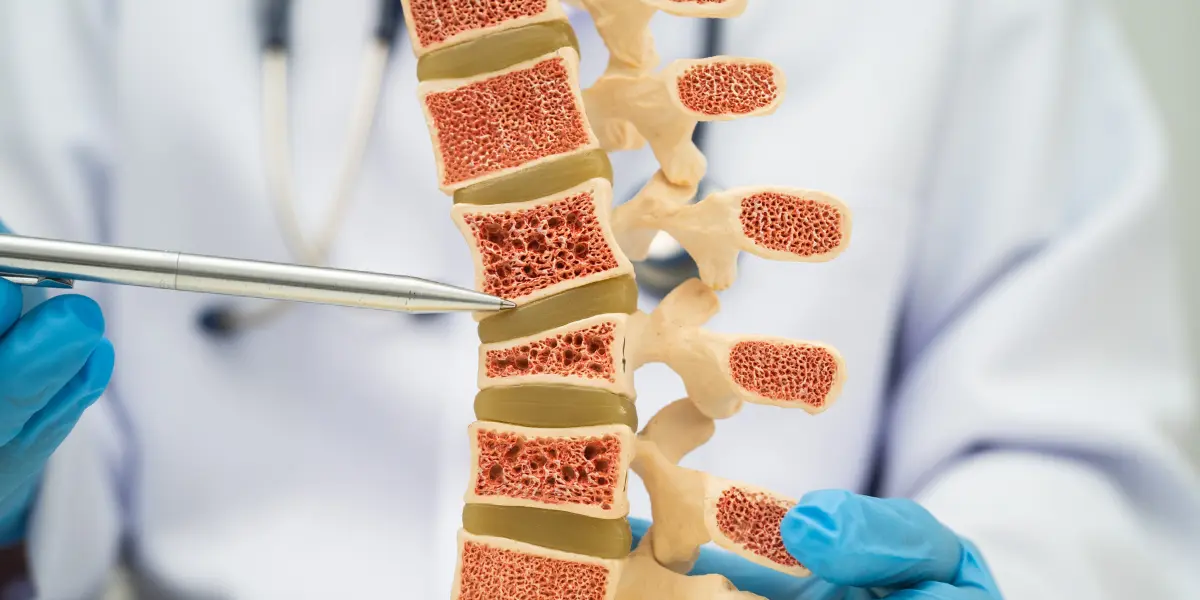
How Osteoporosis and Menopause Affect Bone Strength
After menopause, falling estrogen can accelerate bone loss and raise the risk of hip and spine fractures. Women concerned about these changes can discuss them during menopause care in Somerset, NJ. Osteopenia means below-normal bone density; osteoporosis involves greater loss and fracture risk. Strong muscles support posture, balance, and everyday independence.
How Mechanical Loading Helps Build Stronger Bones
Bones adapt to physical forces. Resistance and controlled impact can provide a stronger bone-building stimulus than gentler activity. A targeted bone density exercise program in Somerset, NJ considers intensity, frequency, and progression in light of each person’s abilities and fracture risk. Simply moving regularly may not provide the same stimulus as gradually increasing resistance.
What Is the ONERO® Osteoporosis Exercise Program?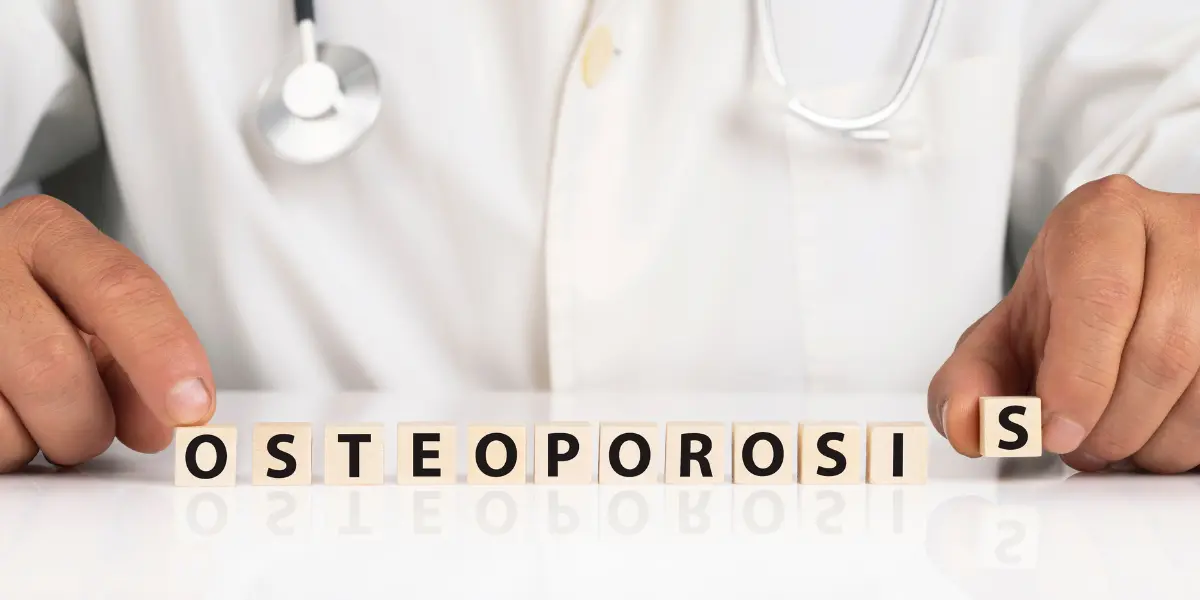
ONERO® targets low bone mass through progressive resistance and impact exercises. Its purpose is to challenge both bone and muscle, while keeping movement quality and individual suitability in focus.
The Science Behind ONERO® and the LIFTMOR Trial
Professor Belinda Beck and colleagues studied high-intensity resistance and impact training (HiRIT) in postmenopausal women with low bone mass through the LIFTMOR trial. The ONERO osteoporosis program builds on this research to support bone loading, strength, posture, balance, and function. NMR explains its osteoporosis ONERO® program in greater detail.
What Exercises Are Included in ONERO®?
Exercises may include deadlifts, back squats, overhead presses, and controlled landings, with loads progressed under close attention to technique. LIFTMOR participants progressed beyond 85% of their one-repetition maximum. That supervised research intensity is not a home-training target. High-intensity resistance training for osteoporosis in Somerset, NJ requires screening and qualified instruction.
How Often Is ONERO® Training Performed?
LIFTMOR used supervised, 30-minute sessions twice weekly for eight months. ONERO® session length and progression may differ by provider. Before supervised osteoporosis exercise in Somerset, NJ, an accredited ONERO® practitioner assesses suitability, teaches technique, and adjusts training as strength and confidence develop.
What Are Traditional Osteoporosis Exercises?
Familiar activities can help people with low bone density. Their benefits, however, are not identical.
Common Low-Impact Exercises for Bone Health
Walking is weight-bearing; swimming helps cardiovascular fitness with little bone loading. Carefully modified yoga, Pilates, stretching, and balance work support mobility and coordination. Light weights offer another starting point. For someone beginning osteopenia exercise in Somerset, NJ, these activities can help establish a consistent routine. They may also feel less intimidating when exercise has been limited for some time.
Why Traditional Low-Impact Exercise May Not Be Enough
Gentle exercise supports stamina, flexibility, coordination, and balance. But swimming and light activity may not challenge bone enough to meaningfully increase BMD. Progressive conventional strength training can still help because heavier loads can challenge bones without belonging to a branded program. NMR also discusses exercise alongside other lifestyle strategies for bone health.
ONERO® vs Traditional Osteoporosis Exercise: Key Differences
Both approaches offer benefits. Loading, goals, and supervision distinguish them.
Bone Loading, Exercise Intensity, and Training Goals
ONERO® uses progressively heavy resistance and controlled impact to challenge bone and muscle. Low-impact routines emphasize general fitness, flexibility, and mobility. Conventional strength training can also load bones effectively. For osteoporosis strength training in Somerset, NJ, intensity should reflect movement skills, bone density, and fracture history.
Bone Density, Muscle Strength, and Functional Benefits
Supervised HiRIT shows promising effects on lumbar spine BMD and functional performance. Strength, posture, balance, and mobility all affect everyday activity. Low-impact activity supports function even when BMD gains are smaller or variable. Balance and coordination may also matter when avoiding falls. Improved BMD alone cannot prove fracture prevention.
ONERO® vs Traditional Exercise: Comparison Table
What Does Clinical Research Say About ONERO® Results?
Before considering heavier training, it helps to examine LIFTMOR’s findings. Its results are useful, but never a personal guarantee.
LIFTMOR Trial Results for Spinal and Hip Bone Density
LIFTMOR followed 101 postmenopausal women with low bone mass for eight months, comparing supervised HiRIT with home-based, low-intensity exercise.
The reported average changes were:
- Lumbar spine BMD: A 2.9% increase with HiRIT versus a 1.2% decrease with low-intensity exercise.
- Femoral neck BMD: A 0.3% increase with HiRIT versus a 1.9% decrease in the comparison group.
- Physical function: The high-intensity group also performed better on strength and functional measures.
You can read the LIFTMOR randomized controlled trial on PubMed.
What Do These Results Mean for Long-Term Bone Health?
The findings support supervised loading for appropriately screened women, with consistent training and gradual progression over several months. Results vary, and the trial did not establish long-term fracture prevention. Researchers measured bone density and function, not whether training prevented future fractures over many years. For a bone density exercise program in Somerset, NJ, health history and follow-up assessments remain important.
Clinical Research Highlight
Bone Density Measurement Average Change With Supervised HiRIT
Lumbar spine BMD +2.9%
Femoral neck BMD +0.3%
Source: LIFTMOR randomized controlled trial, eight-month results. These findings do not guarantee individual ONERO® outcomes.
Is ONERO® Safe for People With Osteoporosis?
Heavy lifting can sound unsettling when bones are fragile. Safety depends on individual risk and expert supervision.
Why Supervision Matters During High-Intensity Training
An accredited practitioner reviews health history, teaches proper technique, and adjusts loads. Supervision helps manage movement errors and fracture-related risks. It also gives participants a chance to ask questions before a movement becomes physically demanding. LIFTMOR recorded one minor adverse event, a lower-back spasm, in the HiRIT group. That finding does not establish safety for everyone seeking supervised osteoporosis exercise in Somerset, NJ.
Who May Need a Modified Exercise Approach?
Recent fragility fractures, spinal problems, severe pain, or limited mobility may require modification. Medical history, medication, and osteoporosis severity also influence exercise selection. Gentle movement or modified resistance may be safer initially, especially if pain or balance problems limit confidence. Heavy lifts and impact should not be attempted without appropriate assessment and guidance.
Who Should Consider ONERO® Instead of Traditional Exercise?
No exercise plan suits everyone with low bone density. Current ability and personal goals matter alongside diagnosis.
Women With Osteopenia or Osteoporosis
Postmenopausal women concerned about declining BMD may consider supervised bone loading. The ONERO program in Somerset, NJ, is an option for those assessed as suitable. The aim may be simple: build strength, confidence, and independence, whether that means walking comfortably, carrying groceries, or staying active with family. These goals also align with NMR’s approach to healthy aging.
People Who Need a More Accessible Starting Point
People with limited fitness, mobility, or balance may need to start with walking, modified resistance, or balance practice before heavier training. NMR offers physical reconditioning services focused on function. Any osteoporosis exercise program in Somerset, NJ should match ability; ONERO® eligibility is individualized.
Patient Suitability Checklist
Questions to Discuss Before Starting
- Have you received an osteoporosis or osteopenia diagnosis?
- Do you have recent DEXA scan results?
- Have you experienced a fragility fracture?
- Are you experiencing back pain or mobility limitations?
- Have you been assessed for high-intensity resistance training?
Use these questions to prepare for a professional assessment, not to decide on eligibility yourself.
How Can You Start a Bone-Strengthening Exercise Program Safely?
A safe routine starts with health history and current physical ability. The right starting point may look different for two people with similar bone-density scores.
Start With a Bone Health Assessment
A clinician may review DEXA results, fracture history, medication, strength, balance, and mobility to guide exercise choices. Past fractures or spinal symptoms may change which movements require modification. Further investigations may help when medically indicated. NMR provides laboratory testing services within its wider care. Assessment guides osteoporosis strength training in Somerset, NJ.
Build a Long-Term Plan for Healthy Bones
A lasting plan combines progressive exercise, recovery, balance work, calcium, vitamin D, and enough protein. NMR provides clinical nutrition services for dietary guidance. Follow-up visits and bone-density measurements can track progress over time, rather than relying on how a workout feels. Exercise complements prescribed medication when needed.
Explore Supervised ONERO® Osteoporosis Training at NMR in Somerset, NJ
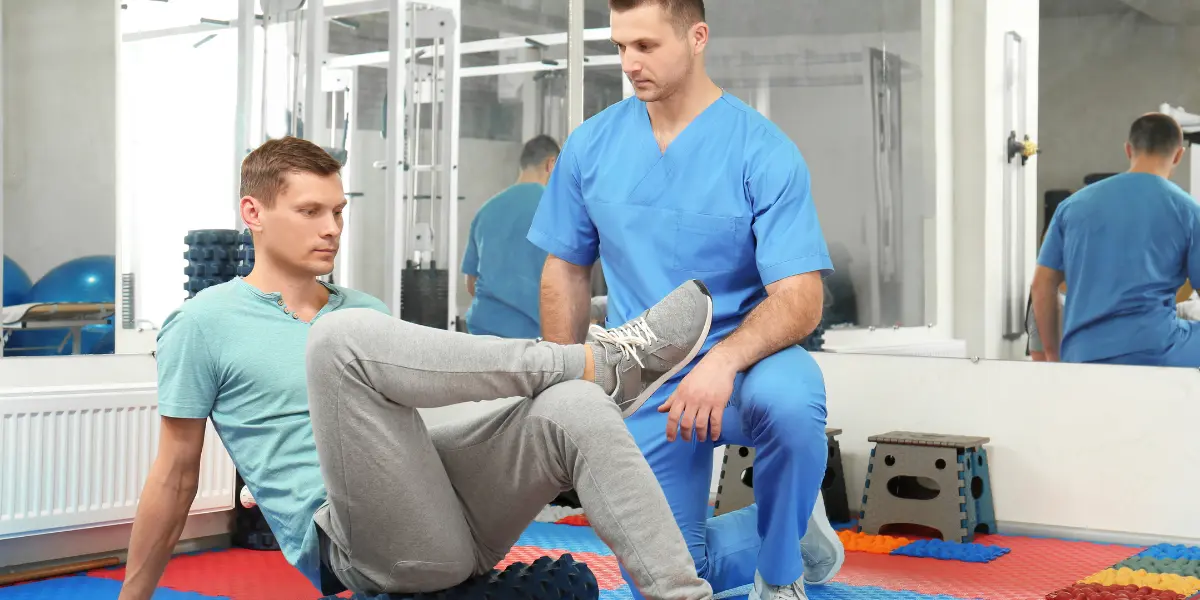
At Natural Medicine & Rehabilitation, we offer the ONERO® osteoporosis program in Somerset, NJ, to help women with osteoporosis or osteopenia work toward stronger bones, improved muscle strength, and greater confidence in everyday movement. Our approach focuses on supervised, progressive bone-loading exercises tailored to each individual’s health history, bone density, strength, and physical abilities. We carefully assess each patient’s suitability before starting ONERO® training and guide their progress with attention to proper technique and safety. We also connect our ONERO® program with our broader women’s health services, including menopause care, nutrition, bone health, and healthy aging. Our goal is to help you find an appropriate, sustainable approach to maintaining bone strength and staying active as you age.
Take the Next Step Toward Better Bone Health
Bring your recent BMD results, fracture history, and exercise questions to a consultation. You can discuss suitability without choosing a program beforehand. ONERO® differs from NMR’s chiropractic and occupational therapy rehabilitation services. A consultation helps establish whether this supervised program suits your goals, abilities, and medical circumstances before you commit to training.
Conclusion
ONERO® and low-impact exercise serve different needs. Supervised high-intensity resistance and impact training has promising evidence for spinal bone density and physical function. Walking, gentle strength work, and balance training remain valuable for mobility and fitness. The best approach depends on bone density, fracture risk, health history, and current ability. If you’re considering the ONERO program in Somerset, NJ, contact NMR to discuss suitability. Concerned about bone loss? Ask NMR in Somerset, NJ, whether supervised ONERO® training could suit your health needs.
